
IMF Pushes Global CBDC Platform as Adoption Record Stays Mixed
Some links may be affiliate links. If you buy through them, we may earn a commission at no extra cost to you.

The International Monetary Fund says it is building a worldwide platform to link central bank digital currencies across borders. The case for it rests on adoption counts that don’t match and on promises with few details.
In late June 2023, the figures cited for the number of countries working on such currencies ranged from 114 to 130. Several early launches had drawn a weak response.
Key takeaways
- IMF Managing Director Kristalina Georgieva said the Fund is working on a global platform so digital currencies from different countries can work together.
- Two counts of CBDC activity differ: 114 central banks are exploring, and about 10 have launched, versus 130 nations are exploring, and 11 have launched.
- Nigeria’s launch drew a lackluster response, and Senegal and Ecuador halted their efforts.
- Georgieva said CBDCs should be “backed by assets,” but the remarks, as relayed, do not say which assets or how.
- The United States has slowed progress on a public digital dollar, which matters given the dollar’s role in the global economy.
The IMF says it is building a cross-border system
Georgieva spoke at a conference for African central banks in Rabat, Morocco. “Digital currencies issued by central banks shouldn’t be confined to individual countries,” she said. “For transactions to be more efficient and fair, we need systems that link different countries together – we need them to work together seamlessly.”
She added: “That’s why we at the IMF are working on creating a worldwide platform for these digital currencies.”
The Fund wants central banks to agree on a shared regulatory framework so their currencies are compatible. Georgieva warned that without a common platform, cryptocurrencies could fill the gap. She also said CBDCs built only for domestic use fail to deliver their full potential.
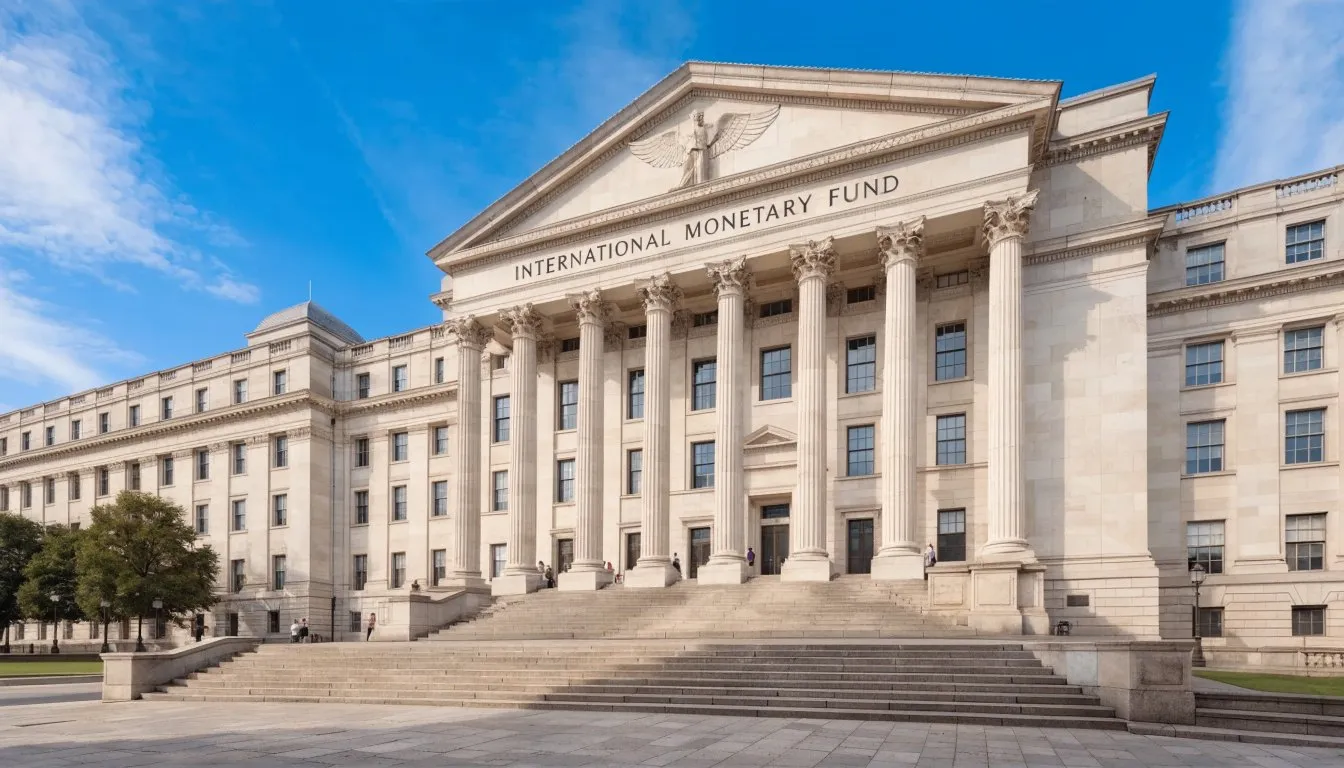
Her remarks, as relayed, leave out the basics. They provide no timeline, no design, no governance structure, and no list of countries that have agreed to participate. They also do not say who would run the platform or who would pay for it.
The adoption counts do not line up
Georgieva said 114 central banks were exploring CBDCs and about 10 had already launched one. A separate tally put the number at 130 countries, which it said make up 98% of the global economy. That tally counted 11 launched currencies, including some in the Caribbean and Nigeria.
The gap is not large, but it is unexplained. One figure counts central banks, and the other counts nations. The available material does not indicate whether the two were measured on the same date or using the same definition of “exploring.”
The word choice matters. The tally said almost half of the 130 nations were at advanced stages. It said all G20 countries except Argentina were among them. “Exploring” can mean anything from a research paper to a working pilot, and the figures do not separate the two.
China’s pilot is the largest example. The tally said it has reached 260 million people and covers 200 use cases, including online shopping and government aid payments. It did not say how many of those people use the currency regularly or how much money moves through it.
Early launches have drawn a mixed response
The tally also noted that some launched CBDCs have not caught on. Nigeria drew a lackluster response. Senegal and Ecuador halted development.
That record sits awkwardly beside the Fund’s argument that CBDCs can bring more people into the financial system. Nigeria is one of the few countries that have launched one, and the response there was weak.
Georgieva also said CBDCs could cut the cost of sending money abroad. She put the average cost of international transfers at 6.3%, which she said adds up to $44 billion a year. Those figures show the size of the problem. They do not show that a CBDC platform would solve it, nor do they offer any estimate of savings.
Upcoming launches were also described. India, Brazil, and the European Central Bank plan to start their digital currencies next year, according to the tally. More than 20 other nations plan major steps toward pilots this year, and Sweden leads in Europe with its pilot. The Bank of England is working on a possible digital pound. Australia, Thailand, South Korea, and Russia plan to continue their pilots.
Sanctions, the dollar, and the questions left open
The push is not only about efficiency. The tally listed several drivers: falling use of physical cash, worries about losing control of money creation to bitcoin and large technology companies, and sanctions on countries such as Russia and Venezuela. Some governments want alternatives to payment networks such as Visa, Mastercard, and SWIFT.
The Atlantic Council reported an increase in wholesale CBDC development after Russia invaded Ukraine and the G7 imposed sanctions. It counted 12 projects aimed at multi-country digital currencies.
That raises a question the IMF’s pitch does not answer. A platform meant to make currencies “work together seamlessly” would sit alongside efforts that some governments see as a way around Western-led systems. The remarks, as relayed, do not say how the Fund would reconcile those aims.
The United States is a central piece. President Joe Biden asked officials in March 2022 to analyze the risks and benefits of a digital dollar. Progress toward a version for everyday use has since slowed. A version for bank-to-bank use is still advancing. Because of the dollar’s position in the global economy, any U.S. decision could have wide effects.
Georgieva’s call for CBDCs to be “backed by assets” also stands without detail. The remarks do not specify whether that refers to reserves, government bonds, or something else. They do not say how it would fit with a shared framework across dozens of countries.
All of these figures date from June 2023. The available material does not indicate how many of the planned launches proceeded or whether the IMF platform has progressed beyond the stage of intent.