
Endeavour Sees Lower Gold Output as Mana Mine Stays Shut Until 2027
Some links may be affiliate links. If you buy through them, we may earn a commission at no extra cost to you.
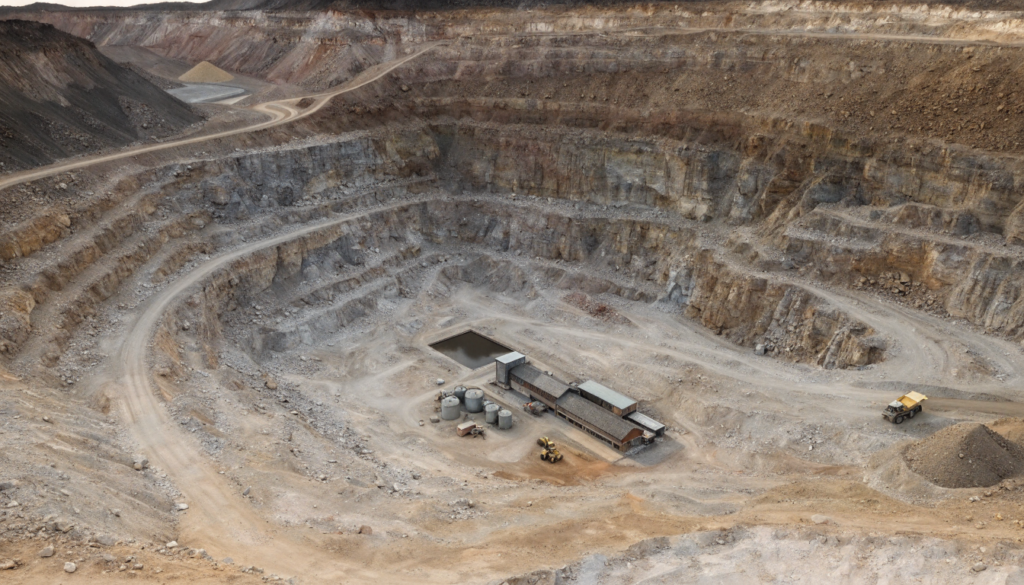
Endeavour Mining expects its 2026 gold production to fall within the lower half of its target range. A ramp collapse at its Mana mine in Burkina Faso has halted underground mining and processing until the second quarter of 2027. The company still expects to meet its full-year group guidance, but only because stronger output elsewhere is offsetting the loss.
Key takeaways
- Endeavour said on November 12 that it remains on track to produce 1.09 million to 1.265 million ounces in 2026, but now expects the lower end of that range.
- Mana will miss the low end of its 155,000 to 180,000-ounce target, and its costs will exceed the top of its forecast range.
- Rehabilitation work is due to begin in the fourth quarter, and Burkina Faso’s authorities must approve any restart.
- Burkina Faso has ordered that all gold doré produced in the country be refined domestically from November 1.
- Higher gold prices lifted nine-month free cash flow 50% to a record $1.02 billion.
Mana’s underground operations will not restart before mid-2027
Underground mining at Mana was suspended on October 28 after part of an access ramp subsided. The ramp leads to the depleted Wona open pit. The collapse restricted access to the Dangouna and Aviera portals, and mining at a third portal was halted as a precaution. No one was hurt, and all underground workers were evacuated.
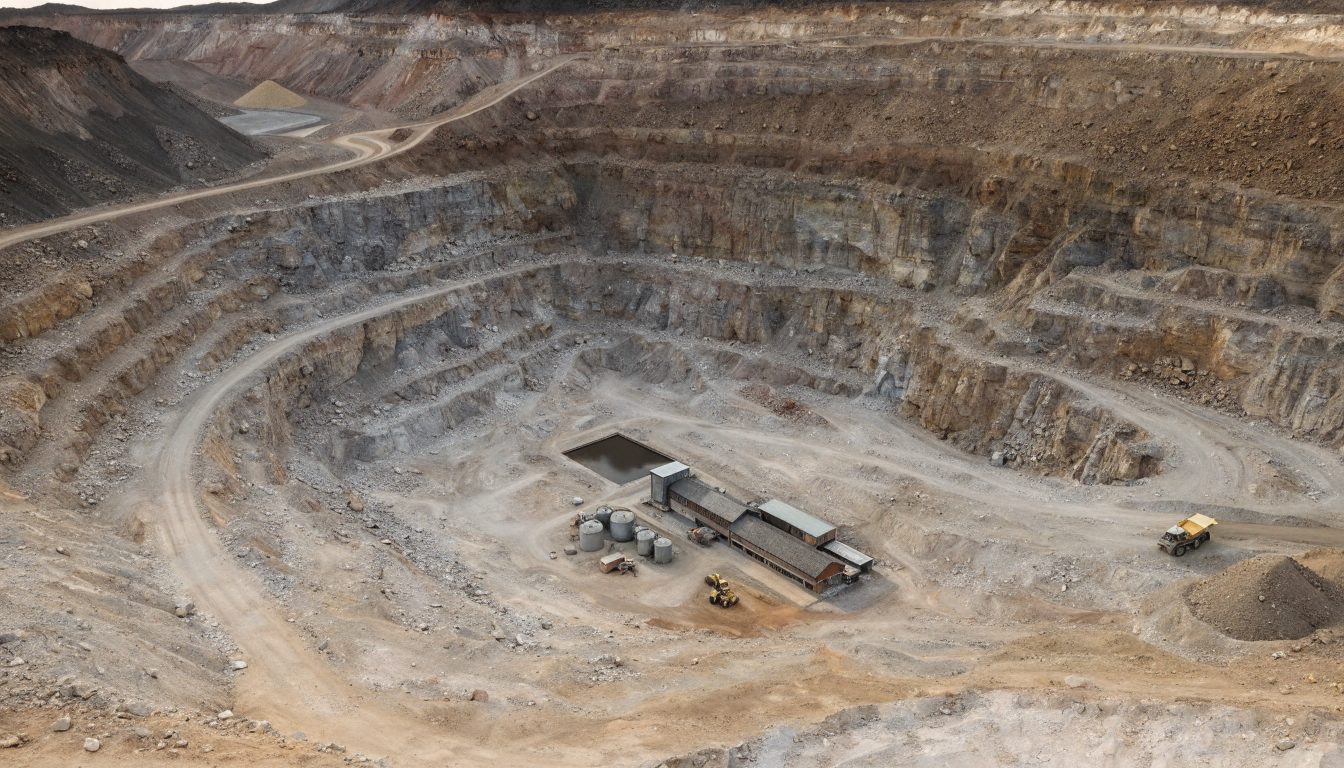
Endeavour now expects rehabilitation work to start in the fourth quarter. Underground ore mining and processing are scheduled to resume in the second quarter of 2027. Shortly after the incident, the company said it was considering restarting and accelerating mining at the Wona portal, which remained accessible. The latest timeline does not point to any underground restart before the second quarter.
Chief Executive Ian Cockerill described the disruption as an unfortunate setback. He said Mana had been a strong contributor to group cash flow before the incident. “It is not going to be an overnight sort of turnaround story,” he told analysts.
Mana is now expected to fall short of the lower end of its 2026 production target, 155,000 to 180,000 ounces. Its all-in sustaining costs (AISC) will exceed the top of its $2,000 to $2,250 per ounce forecast. The mine produced 173,000 ounces in 2025.
Early findings point to weak rock, and the government must sign off on a restart
Initial investigations suggest that weak rock tied to a geological shear zone collapsed into older underground workings.
Cockerill said there was no associated seismic activity. He said investigators found no further deterioration in the deeper workings.
Endeavour is weighing whether the rehabilitation program will need additional underground access routes. More detailed plans are due when the company reports year-end results in January. Revised 2027 production, cost and capital spending forecasts for Mana are also expected then.
The company has opened talks with Burkina Faso’s Minister of Mines on the proposed restart. Cockerill said the authorities will take part in reviewing the rehabilitation plan. They must also approve the resumption of underground operations.
To supplement future underground output, Endeavour is accelerating open-pit development. It has the permit it needs for work at Bana Camp and expects to start stripping early next year. Ore stockpiling could begin in the second quarter.
Group targets hold as Lafigué offsets Mana
Cockerill said stronger performance at the Lafigué mine in Côte d’Ivoire has largely offset the disruption at Mana. That is why the group remains on track for its full-year targets. Even so, the company said the Lafigué gains would only partly offset the weaker Mana output, which is why it now points to the lower half of its range.
Endeavour produced 256,000 ounces in the September quarter, down 10% from the previous quarter. Output for the first nine months fell 10% to 820,000 ounces. The company expects a stronger fourth quarter, helped by higher grades at Houndé in Burkina Faso, Ity in Côte d’Ivoire and Sabodala-Massawa in Senegal.
Costs rose over the same period. Group AISC climbed 37% from a year earlier to $1,866 per ounce over nine months. That is above the full-year target range of $1,600 to $1,800 per ounce. Endeavour said higher gold prices added $166 per ounce to royalty costs. Excluding that effect, adjusted AISC was $1,700 per ounce, within the target range.
Despite lower volumes, higher gold prices lifted nine-month free cash flow 50% to a record $1.02 billion.
Burkina Faso tightens control over gold and mining supplies
Endeavour also faces a new regulatory requirement in Burkina Faso. The government has ordered that all gold doré produced in the country be refined domestically from November 1. Doré is a partially refined form of gold produced at mines before it goes to a refinery for further processing.
The company said it is in discussions with the local refinery on how to apply the rule at Mana and Houndé, its two mines in the country. The military-led government opened the country’s first gold refinery in September. The order is part of a wider effort to tighten state control over the gold industry.
The authorities have also required mine supplies to be sourced through a state-owned company. Cockerill said this requirement initially disrupted operations. In July, he said conditions in Burkina Faso had become more stable over the previous six to nine months and that the government appeared to be more in control.
Mana sits at the center of Endeavour’s long-term plans
Mana became a fully underground operation in 2024. Endeavour aims to extend its life beyond 10 years by expanding underground deposits and assessing nearby open-pit targets. The company produces about 1.2 million ounces of gold a year across its West African operations. It spends more than $100 million a year on exploration.
Cockerill said in October that replacing mined ounces remains difficult. He said newly mined gold supply has grown by less than 1% a year in recent years. Only nine significant gold discoveries have been made globally since 2020, he said, and bringing a new mine into production can take 15 to 16 years in much of the world. He said West Africa has an edge, with Endeavour cutting the time from discovery to first gold to about eight years.