
Gold and Silver Give Back Post-Election Gains as Hot CPI Lifts Fed Hike Odds
Some links may be affiliate links. If you buy through them, we may earn a commission at no extra cost to you.
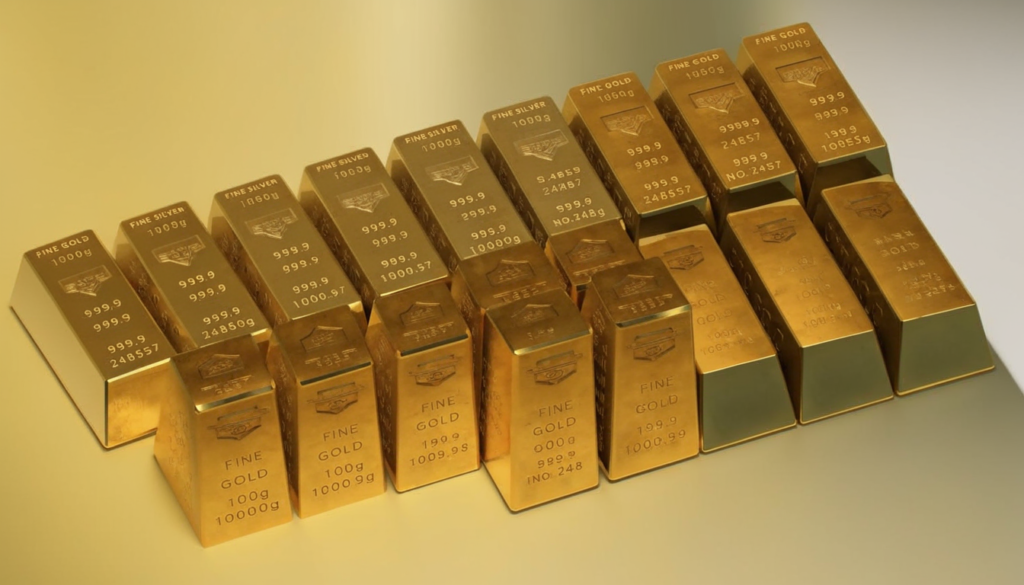
Gold and silver jumped after Democrats won control of Congress in the November 3 midterms, then gave back much of the gain when hotter-than-expected October inflation data raised the odds of a Federal Reserve rate hike in December.
The reversal shows how quickly rate expectations can outweigh political news for interest-bearing metals.
Key takeaways
- Spot gold rose 3.4% to about $4,060 an ounce on November 4, and silver rose 4.9% to $52.23, before both retreated.
- October consumer prices rose 0.4%, and core prices rose 0.3% for a third straight month, both above forecasts.
- Traders now see a December rate hike as highly likely, with the size of the move still in question.
- Analysts disagree on whether the Fed can continue tightening while federal debt is above $40 trillion.
Metals rallied on the election, then reversed on inflation
Precious metals were the strongest commodity group in the week ending November 6, gaining about 5% collectively. Platinum rose 6.8%, silver 5.7% and gold 5%. Over the same period, the Bloomberg Commodity Total Return Index fell roughly 4.5%, and the S&P 500 lost 2.7%.
Some investors argued that a Democratic Congress could press for a de-escalation of the Iran conflict. That, in turn, could lower energy prices, ease inflation and reduce the need for rate hikes.
The inflation data undercut that case. December gold futures fell from about $4,080 to $4,046.40 within a minute of the October consumer price index release, then slid to $4,033. By the end of the week, gold had dropped below $3,900 an ounce by one measure and silver below $50, erasing the post-election gains. December silver futures touched $51.28 after the report.
Oil prices did not change the picture. On Monday, November 9, Brent crude fell 5.85% to $92.57, its lowest since August 31, after President Donald Trump said: “Iran militarily is effectively over.” Yet the odds of a December hike still rose, from about 81% that morning to about 84% by the CPI release, according to CME FedWatch.
October inflation data topped forecasts
The Bureau of Labor Statistics said consumer prices rose 0.4% in October, after a 0.6% gain in September. Economists had expected 0.3%. Core prices, which exclude food and energy, rose 0.3%, against a forecast of 0.2%. That was the third consecutive 0.3% core reading, a pace that annualizes to about 3.7%.
Energy prices rose 0.7% after a 5.2% jump in September. Gasoline gained 1% after rising 9.3% the month before. Food rose 0.5%, shelter 0.3% and transportation services 0.8%.
The bureau did not publish a year-over-year figure. The 2025 government shutdown prevented it from collecting October 2025 price data, so no comparison exists. One estimate puts annual inflation at about 4% in October, up from 3.7% in September.
The Fed watches core prices and wages more closely than energy. Average hourly earnings rose 0.4% in October. The 10-year Treasury yield rose to about 5%, and the U.S. Dollar Index climbed to 102.36 after the report.
Fed Governor Christopher Waller added to the hawkish tone. “Hiking only 25 basis points would put our credibility at risk, a risk I am not eager to take,” he said.
Markets split on the size of the December hike
Pricing has shifted toward a larger move. By November 11, CME FedWatch data showed an 84% chance of a quarter-point hike and a 16% chance of a half-point hike in December. Traders had briefly priced in a 15% chance of a half-point hike right after the report. Deutsche Bank forecasts further quarter-point increases in January and March.
Higher rates tend to weigh on gold in the short run. Interest-bearing assets such as Treasury bonds become more attractive, and a stronger dollar makes gold costlier for foreign buyers. Silver faces another drag. Higher borrowing costs can slow industrial activity, and industry uses the metal in electronics, manufacturing and solar panels.
Some analysts argue the market is missing a larger tension. The M2 money supply grew from $22.15 trillion in September 2025 to $23.41 trillion in September 2026, a 5.7% rise. This year it has grown by an average of $136 billion a month, 89% faster than the 2025 average.
The Fed’s balance sheet has also been rising since December 2025. It is up $212.4 billion from its December 1, 2025 low. These analysts say the Fed is easing through its bond holdings even as it signals tightening. They doubt it can keep raising rates without straining a heavily indebted government. They expect that, if a downturn came, the Fed would cut rates and expand its balance sheet again.
Other analysts see a different path. One technical forecast sees gold falling toward $3,500, arguing that the dollar is holding key support and that gold’s recent rebound looks like the last before a deeper decline.
Divided government leaves the policy outlook unclear
Democrats won both chambers of Congress, with some races still undecided. Trump retains veto power, so the outcome suggests divided government.
Investors see competing effects. Gridlock could limit new fiscal stimulus and temper rate-hike expectations, thereby supporting gold. Some investors worry that investigations of the administration could deepen political uncertainty. Others fear that spending proposals could add to debt. Continued federal borrowing could also keep long-term yields high, and slower growth could cut industrial demand for silver and platinum-group metals.
Debt costs add pressure on households and the budget
The national debt reached about $40.56 trillion on November 9, up roughly $2.44 trillion from a year earlier, according to the U.S. Treasury. The Congressional Budget Office recorded a $1.99 trillion deficit for fiscal 2026. Net interest payments passed $1 trillion for the first time, to about $1.05 trillion. That is more than 14% of federal spending.
Growing federal borrowing can push up interest rates, raising the cost of mortgages, loans and other credit. For savers, inflation erodes cash. At 2% annual inflation, money loses more than 10% of its purchasing power over five years, one analyst noted. That math is driving interest in physical gold and silver as long-term hedges, even as short-term rate pressure keeps prices volatile.